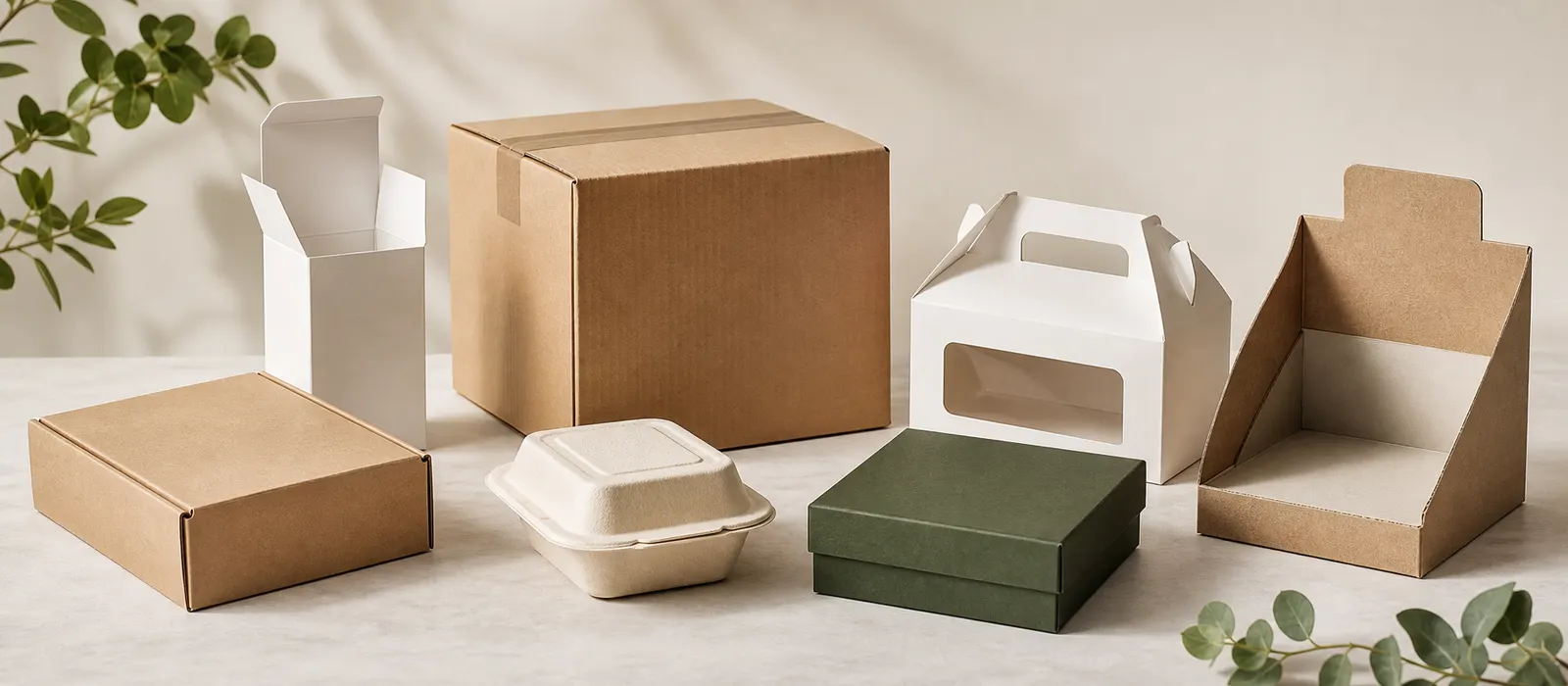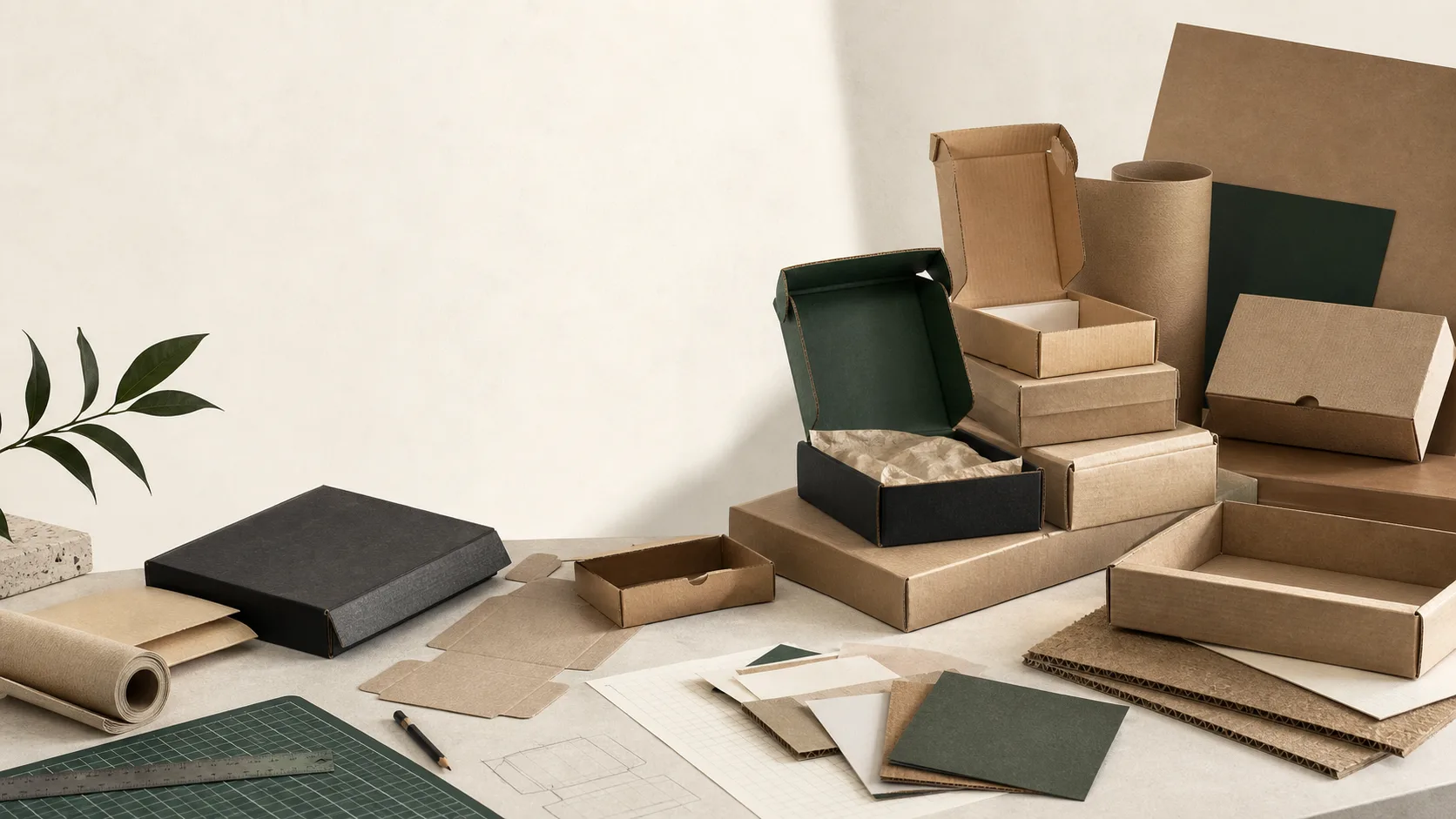
Box types explained by structure and use case
Learn how folding cartons, mailer boxes, corrugated cartons, trays, sleeves, and rigid boxes differ by weight, protection, presentation, and handling context.
Choose by product and handling context
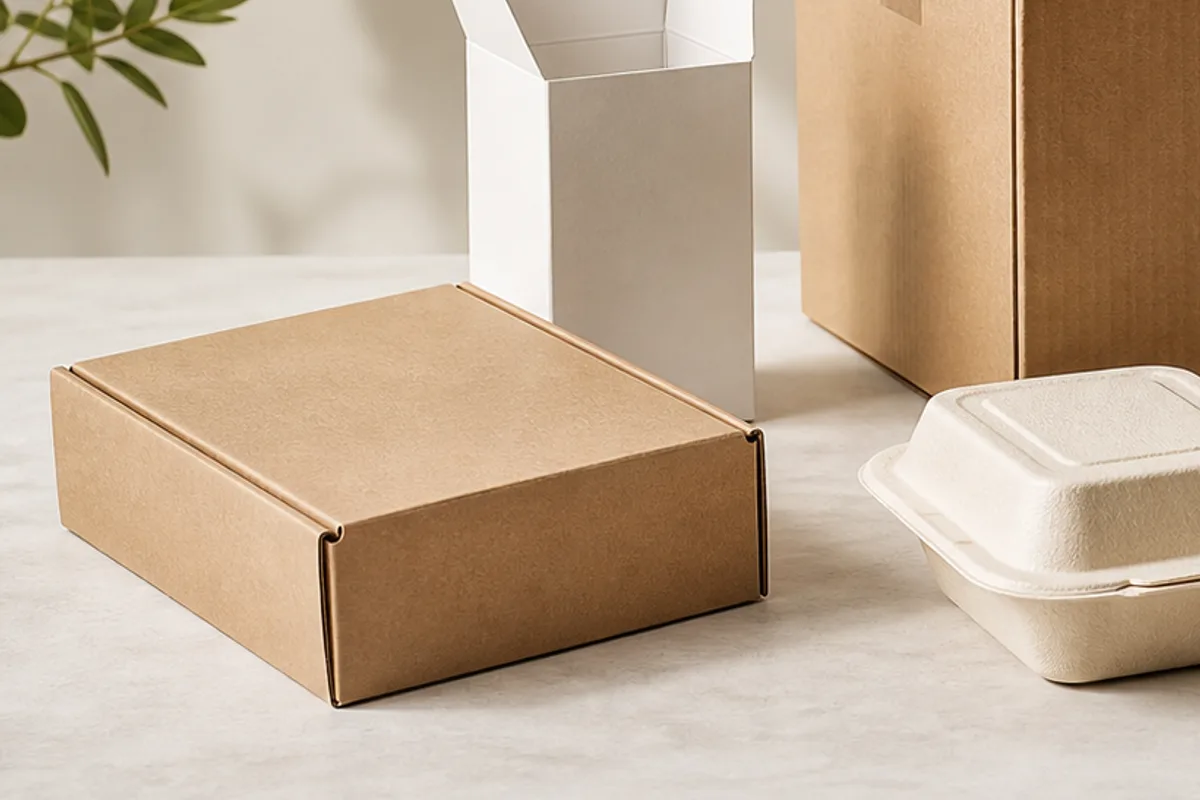
Self-locking delivery boxes for e-commerce, subscriptions, kits, and unboxing-focused shipments.
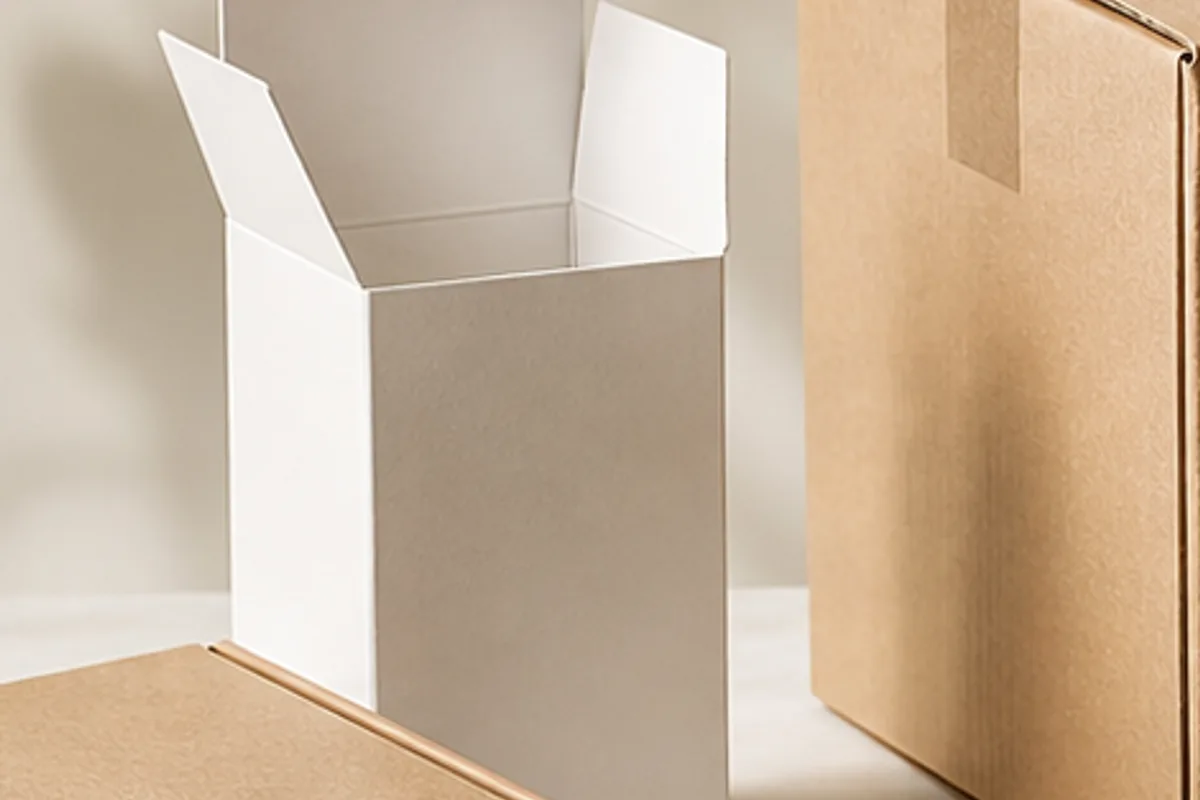
Paperboard retail cartons for light products, printed panels, compact storage, and shelf presentation.
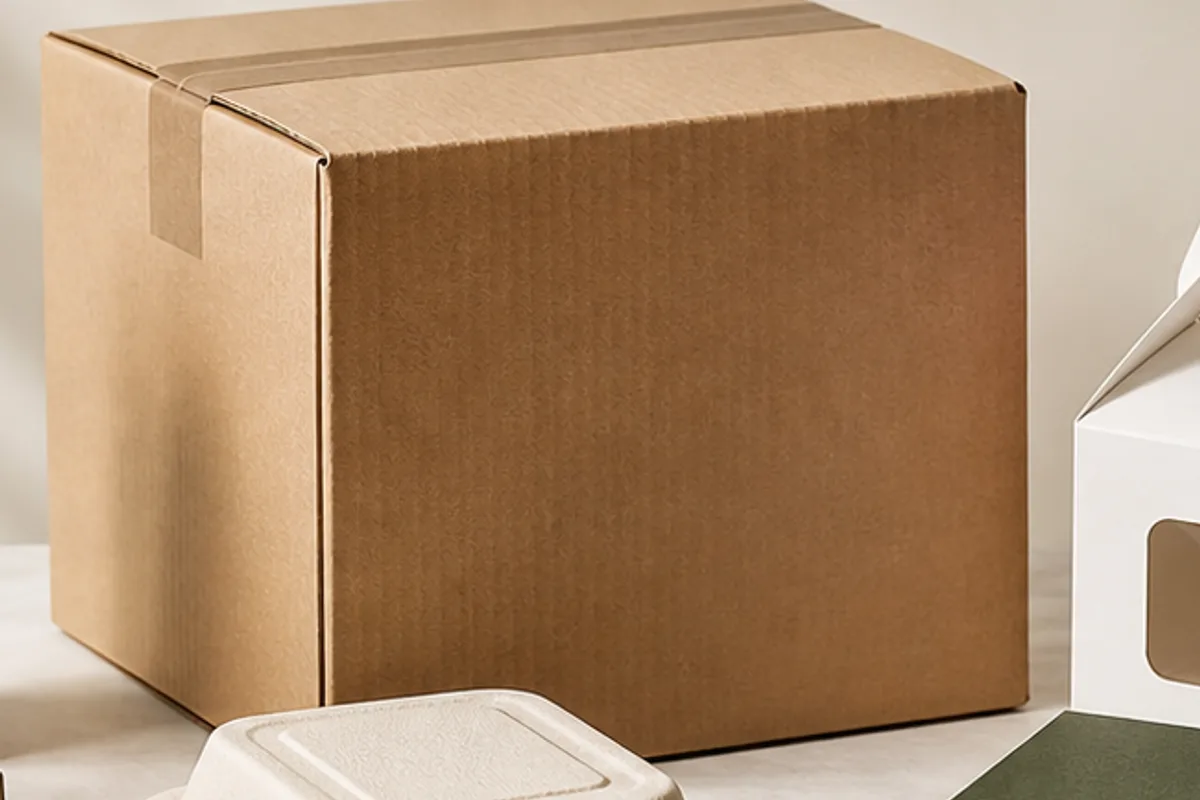
Fluted board boxes for shipping, stacking, cushioning, bulk handling, and heavier product protection.
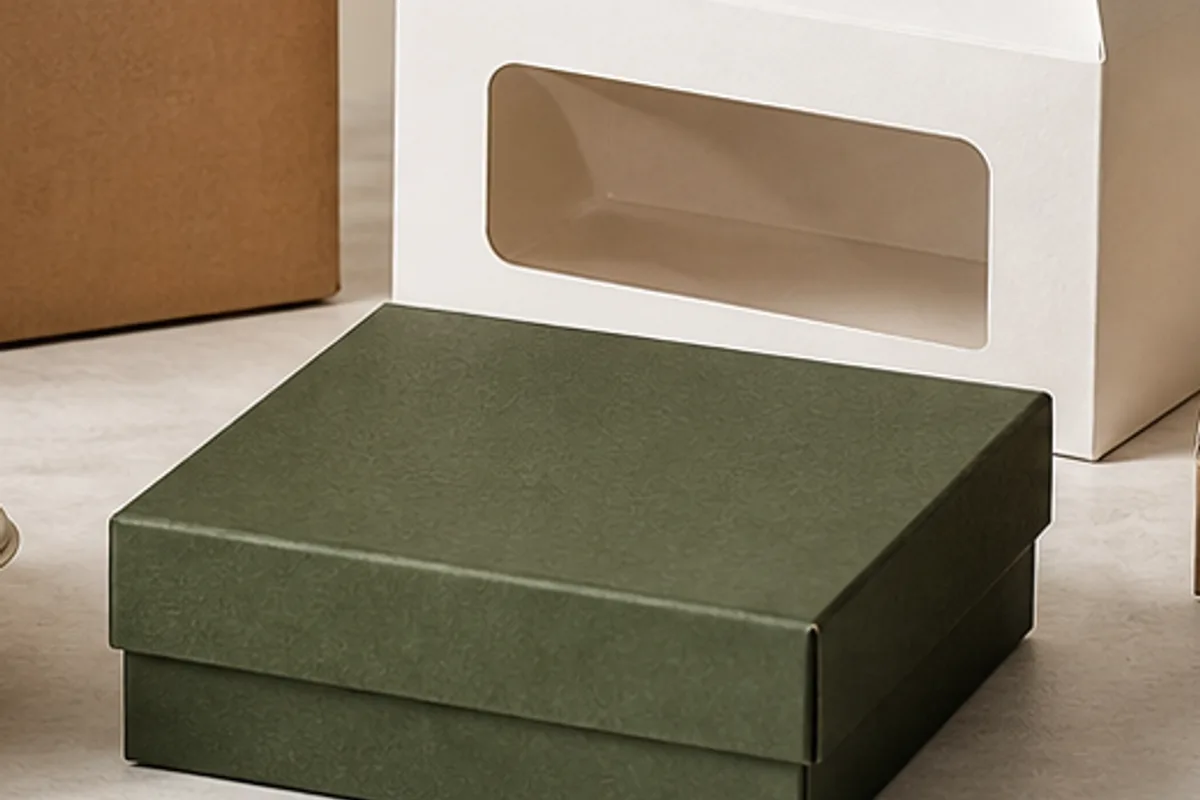
Premium set-up boxes for higher perceived value, durable presentation, inserts, and gift-ready packaging.
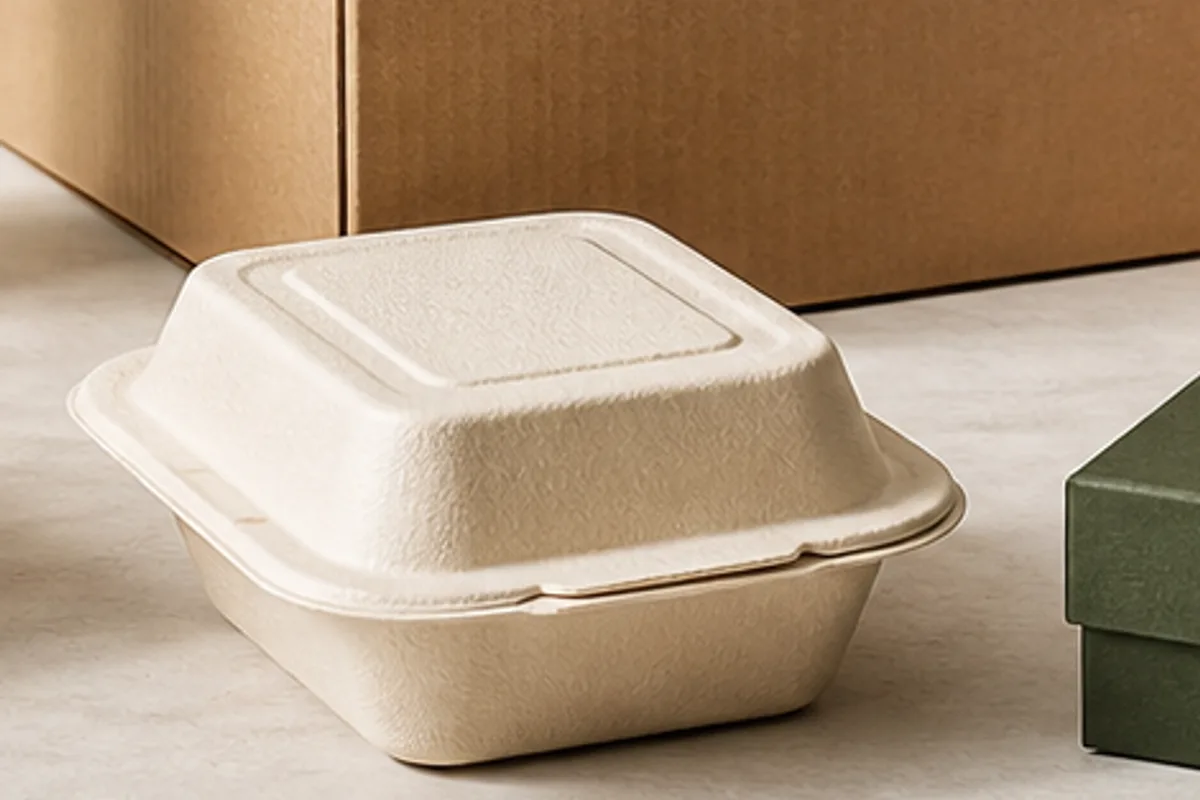
Food-focused boxes for grease, heat, condensation, stacking, hygiene, and food-contact suitability.
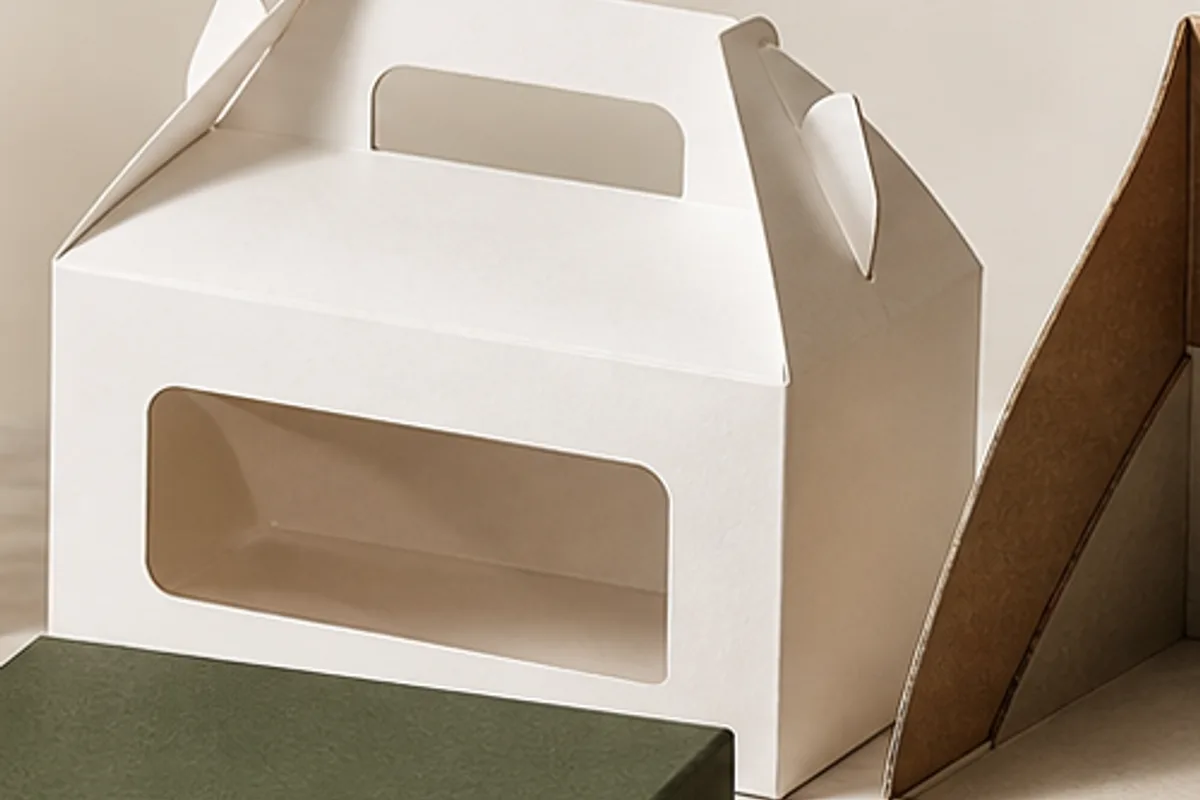
Bakery boxes for delicate products, viewing windows, board stiffness, hand carry, and clean presentation.
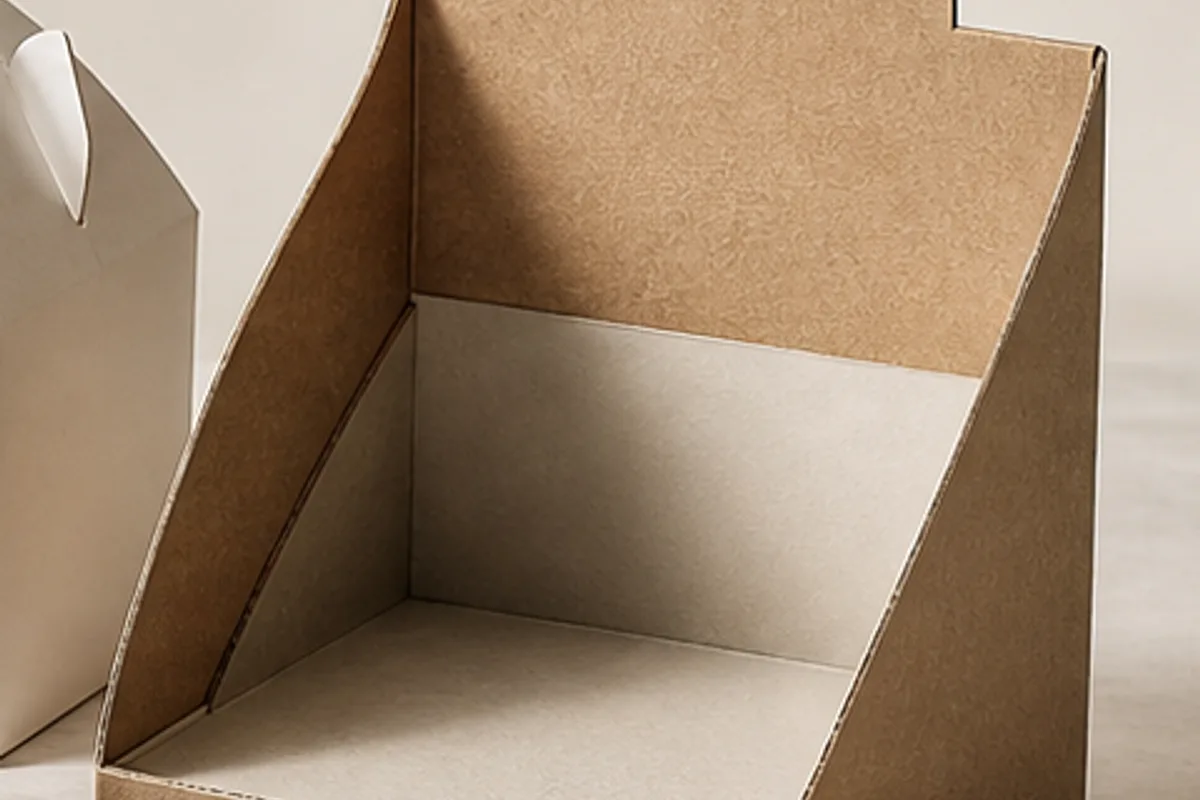
Shelf-ready display boxes for product visibility, retail access, front-panel strength, and replenishment.
Box design learning checks
Review these factors before selecting a structure for study or specification.
Fit and movement
The package should limit movement without wasting board, filler, or shelf space.
Closure and access
Tuck ends, crash-lock bases, sleeves, trays, and mailer tabs each change usability and assembly.
Print and finish
Color coverage, varnish, foil, embossing, and coating affect surface feel, recycling context, and visual hierarchy.
Protection logic
Strength comes from material grade, fold geometry, inserts, cushioning, and the expected handling path.