
Mailer boxes for direct delivery packaging
An educational guide to self-locking structure, board strength, inserts, shipping stress, and unboxing presentation.
What makes mailer boxes different
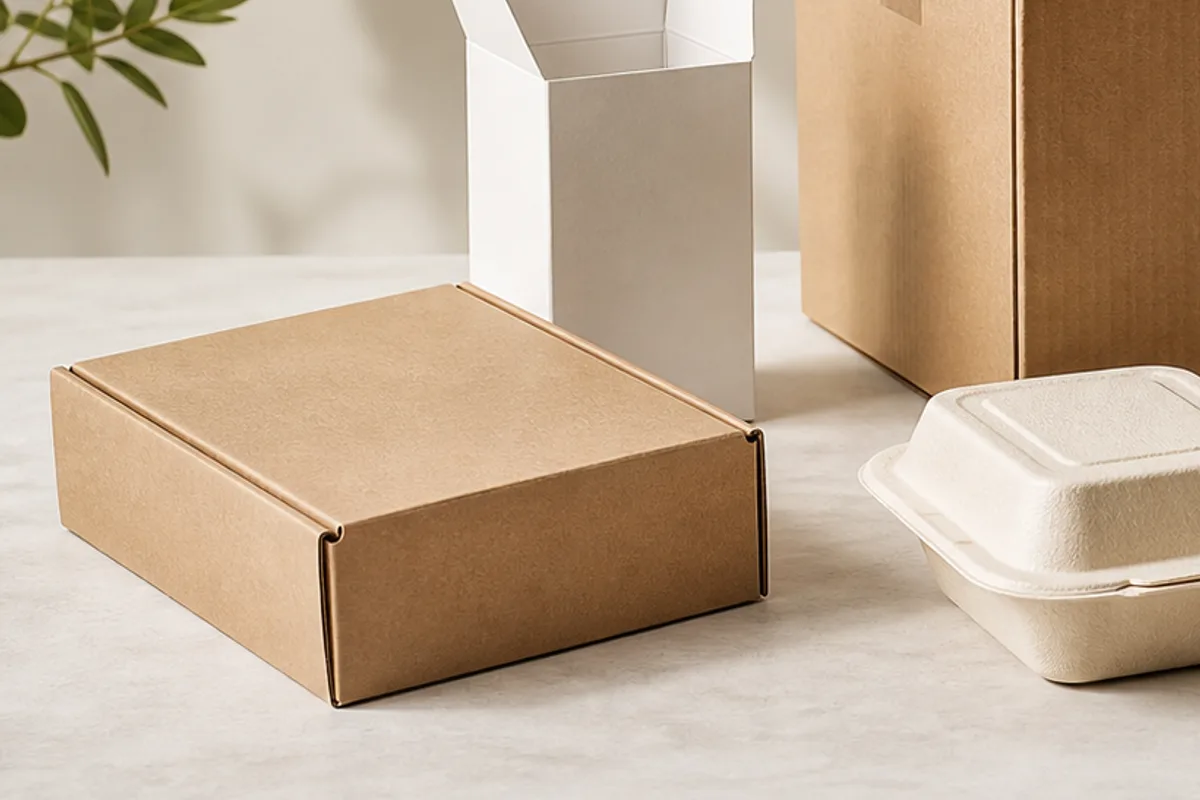
Self-locking structure
Tabs, flaps, and front locks hold the box closed while keeping the opening sequence controlled.
Delivery-ready board
Corrugated board selection shapes compression, edge strength, and protection during parcel handling.
Insert-friendly interior
The flat interior can work with dividers, wraps, tissue, pads, and molded inserts.
Where mailer boxes perform best
E-commerce orders
Useful for small goods that need a branded parcel experience and moderate protection.
Subscription kits
Works for repeated deliveries where opening sequence and presentation stay consistent.
Sample packs
Keeps samples organized while allowing inserts, cards, and padding to sit cleanly.
Retail-to-door delivery
Balances display quality with practical shipment handling for lighter products.

How to study the right mailer box
Map the delivery path
Consider courier handling, stacking, drops, moisture exposure, and customer opening expectations.
Choose board and flute
Match product weight, box size, compression needs, and print surface before picking a grade.
Test closure strength
Check front locks, side tabs, and flap tension after packing and repeated handling.
Control movement inside
Use inserts, wraps, pads, or right-size dimensions to limit product travel.

Mailer boxes FAQs
Are mailer boxes strong enough for shipping?
They can be when board grade, size, flute, closure, and product fit match the delivery path. Fragile products may need inserts or extra cushioning.
Do mailer boxes need tape?
Some self-locking designs close without tape, but heavier contents or courier rules may still require sealing.
What material are mailer boxes usually made from?
Most are made from corrugated fiberboard, often with kraft or white liner options.
When is a mailer box better than a carton?
A mailer box is useful when presentation and opening experience matter more than maximum compression strength or bulk shipping efficiency.
Related guides
Reading internal vs external box dimensions: will your product fit?
Read the guideUnderstanding corrugated flute types: what the letters reveal about box construction
Read the guideHow To Read Packaging Recycling Symbols In Malaysia: Codes 1–7 And Other Marks
Read the guide