

Packaging Materials Explained
Packaging material affects protection, weight, surface finish, printing, storage, food-contact suitability, and end-of-life options.
Material Types at a Glance

Natural brown paper known for tactile fiber texture, matte finish, and common use in wraps, sleeves, and bags.

Thicker paper-based board used for folding cartons, sleeves, cards, and printed retail packaging.
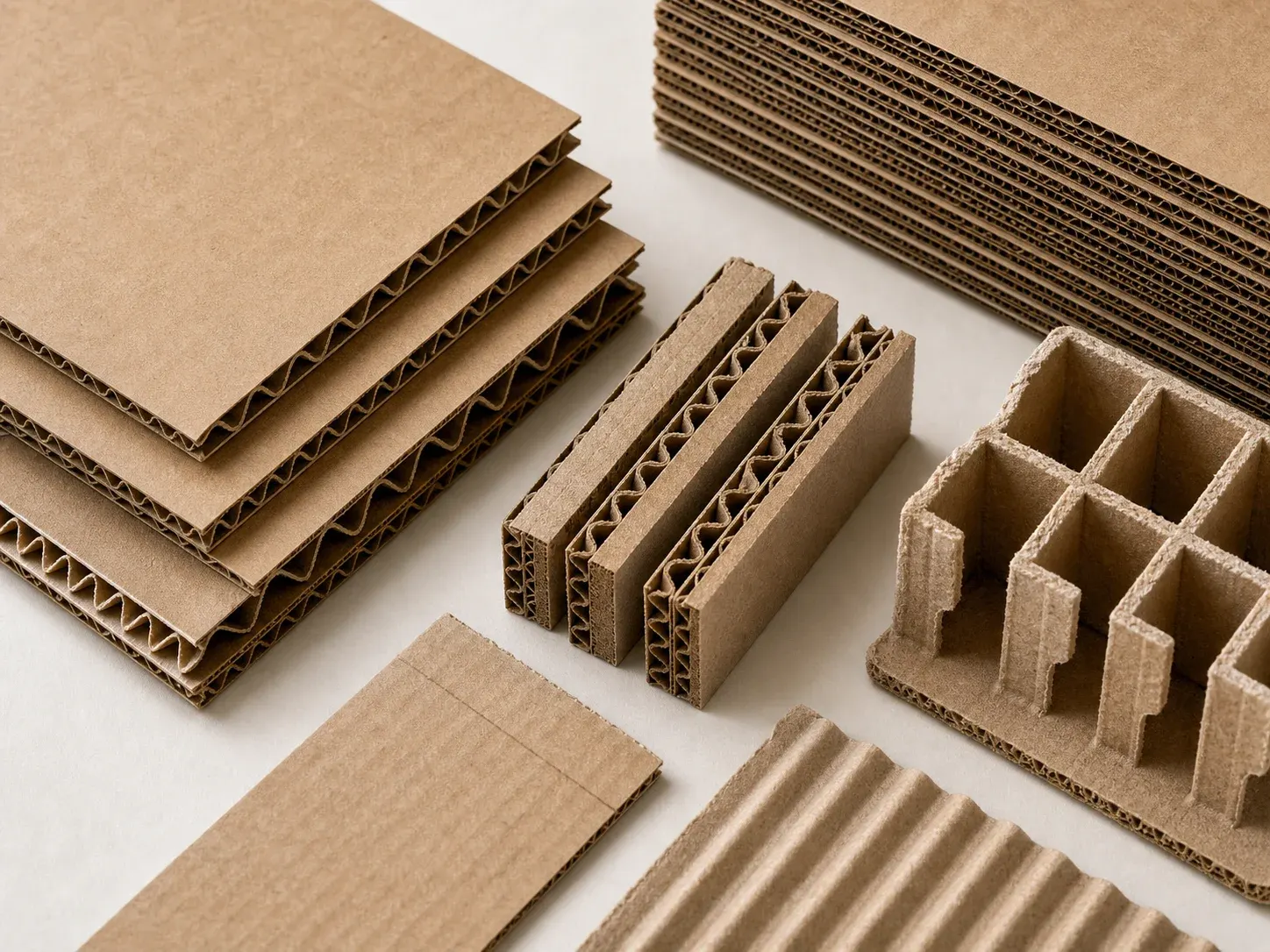
Layered board with fluting that improves cushioning, stacking strength, and shipping protection.
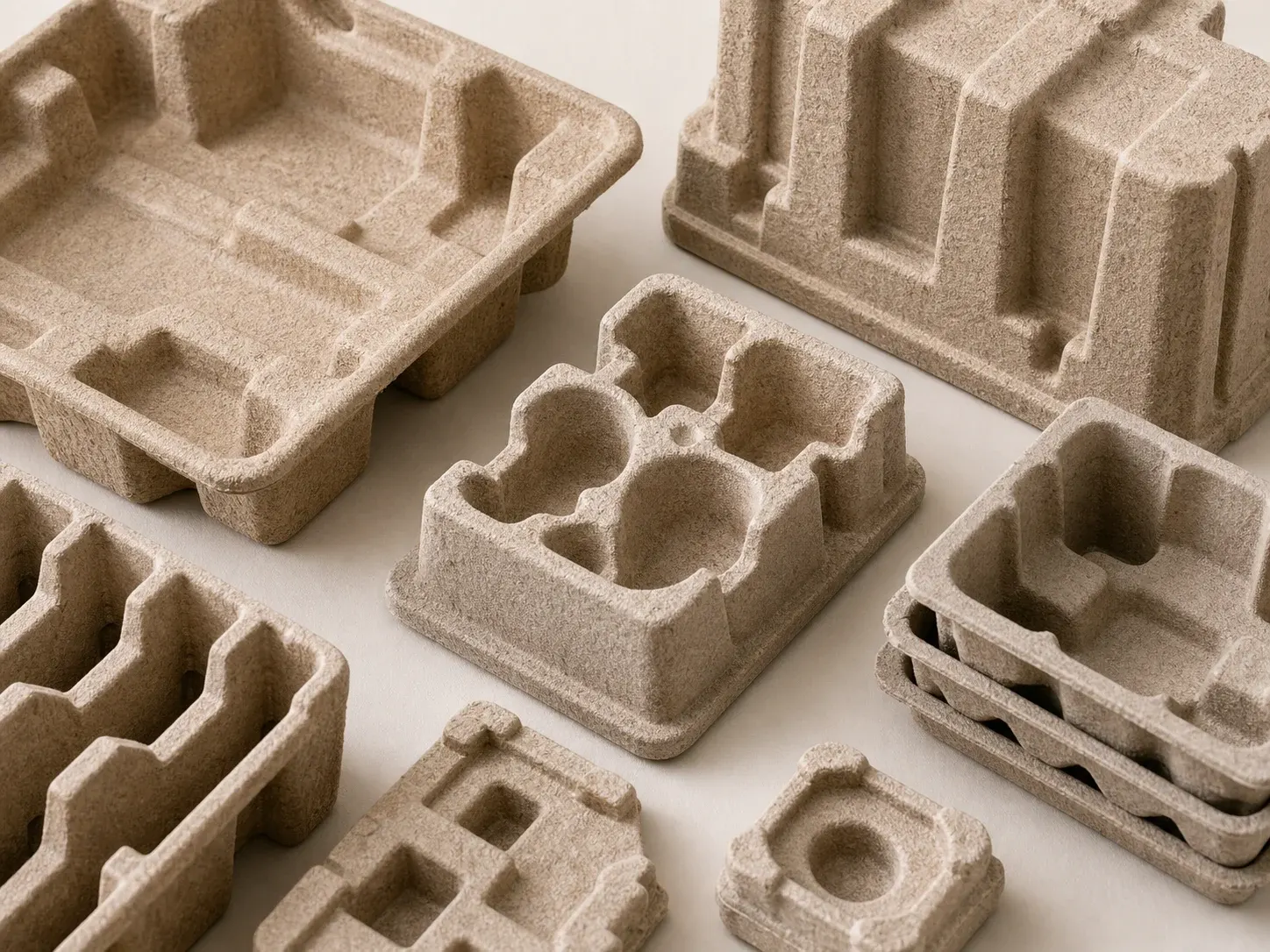
Formed pulp material used for trays, inserts, cushioning, and protective shapes.
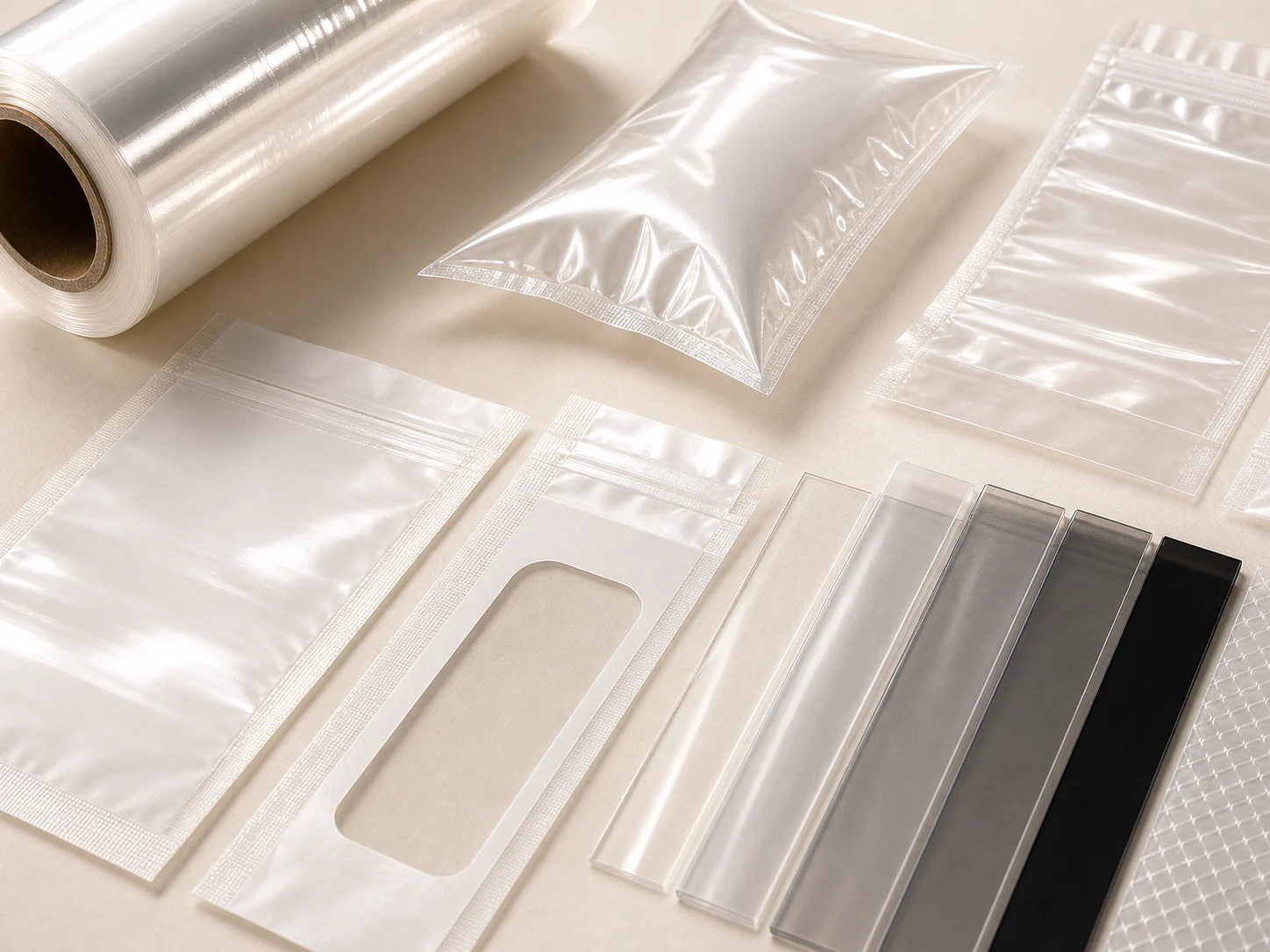
Flexible material used where transparency, sealing, moisture resistance, or lightweight wrapping is required.
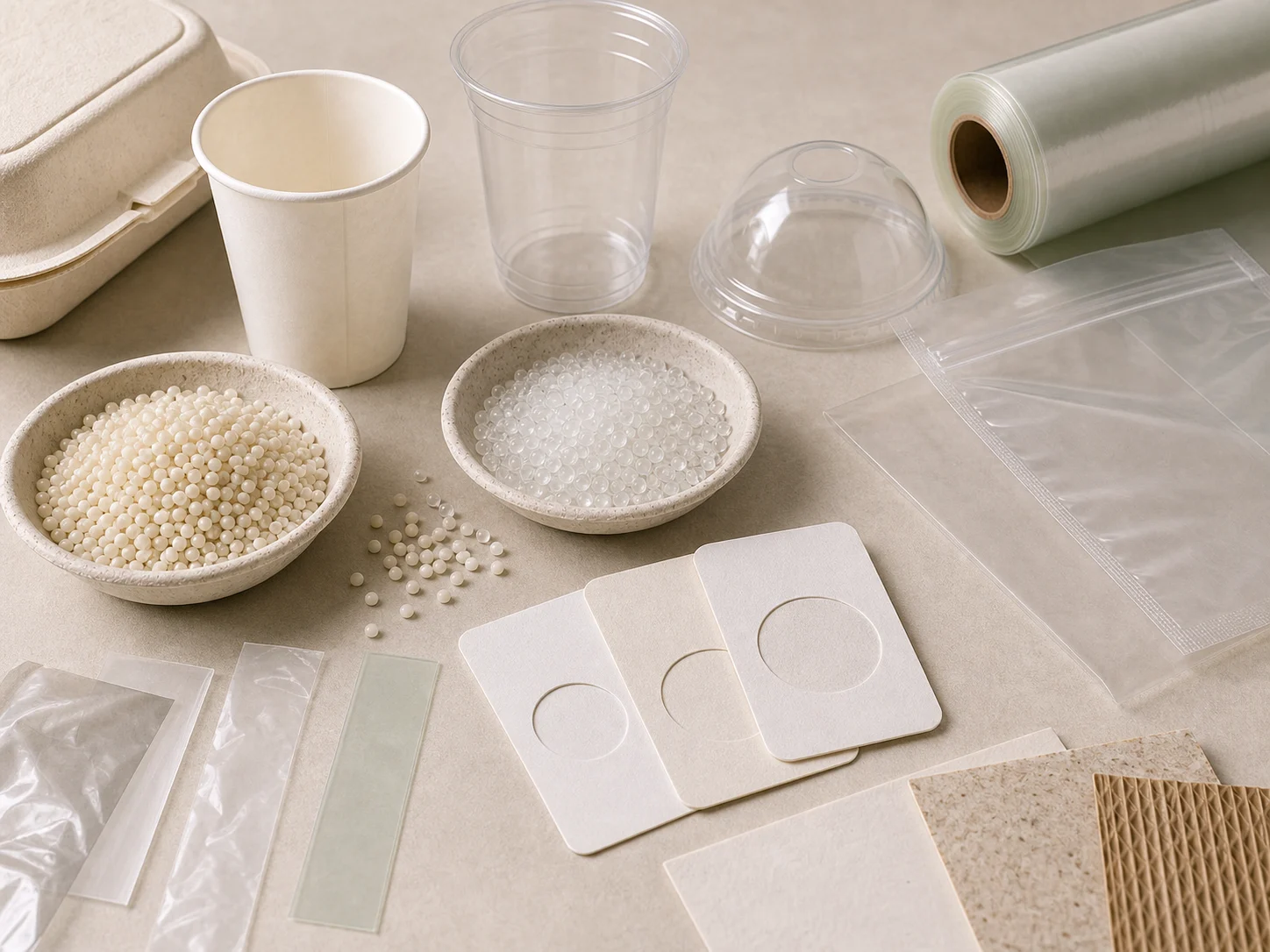
Plant-based or compostability-linked plastic category that still requires careful end-of-life context.
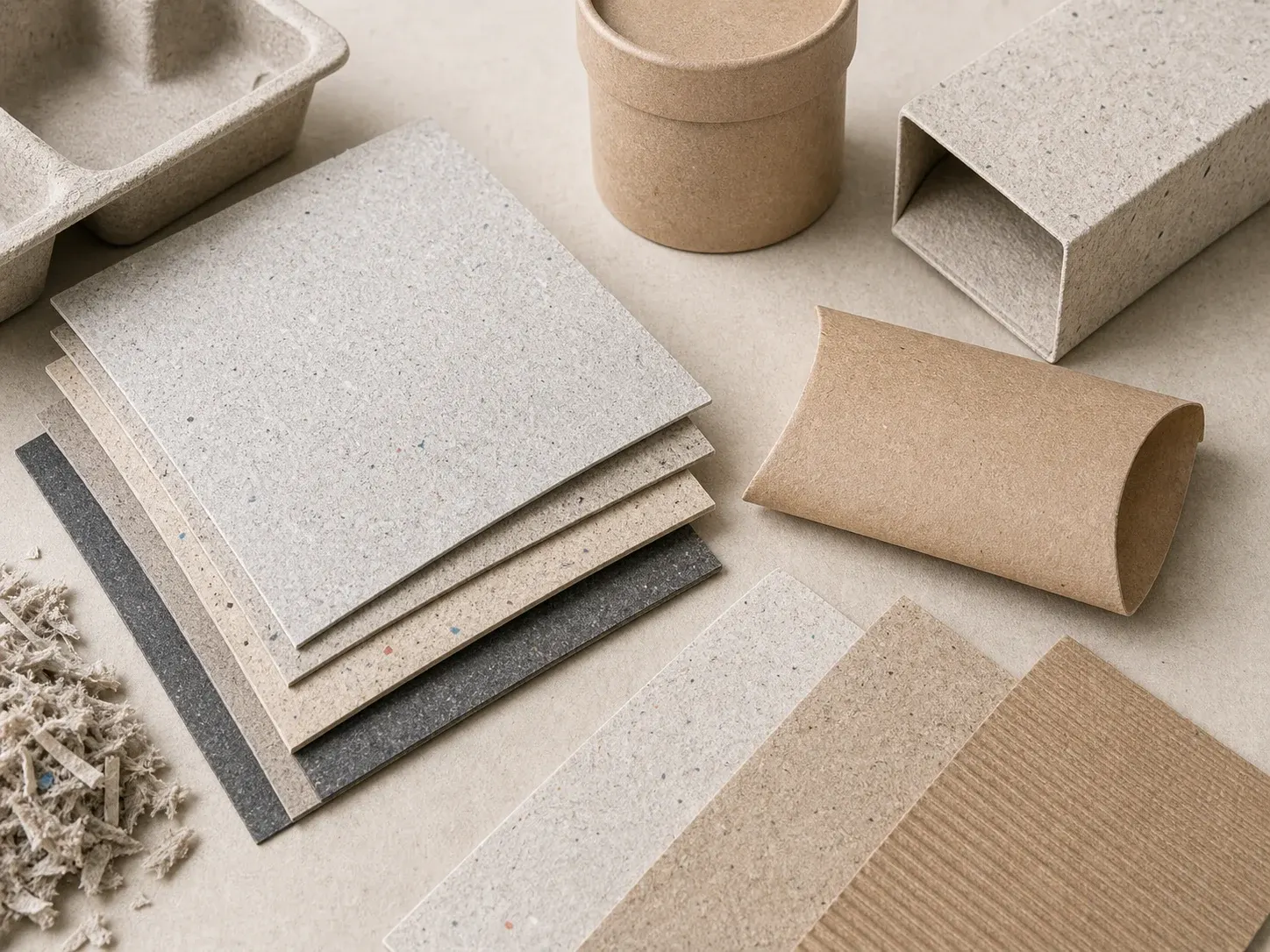
Recovered-fiber paper useful for understanding source, texture, performance trade-offs, and recovery claims.
Understand Materials by Use Case

Food and takeaway packaging
Study food-contact suitability, grease or moisture resistance, coatings, and storage conditions.
Retail display packaging
Compare print surface, stiffness, folding behavior, color accuracy, and tactile feel.
Shipping and delivery packaging
Learn how corrugated grade, box size, stacking, humidity, and handling affect performance.
Sustainability-led packaging
Review material source, coating, recyclability, composting context, and realistic disposal options.
Material Evaluation Checklist
Strength and stiffness
Affects stacking, fold quality, crushing resistance, and handling feel.
Surface and print behavior
Matte, glossy, coated, uncoated, and textured surfaces all affect ink and visual finish.
Barrier requirement
Moisture, oil, oxygen, aroma, and heat exposure may require coating, lining, or a different material family.
Food-contact suitability
Food packaging requires attention to whether the material, coating, ink, and use condition are suitable for direct or indirect contact.
End-of-life route
Recyclable, compostable, reusable, and biodegradable claims depend on material composition and local systems.