
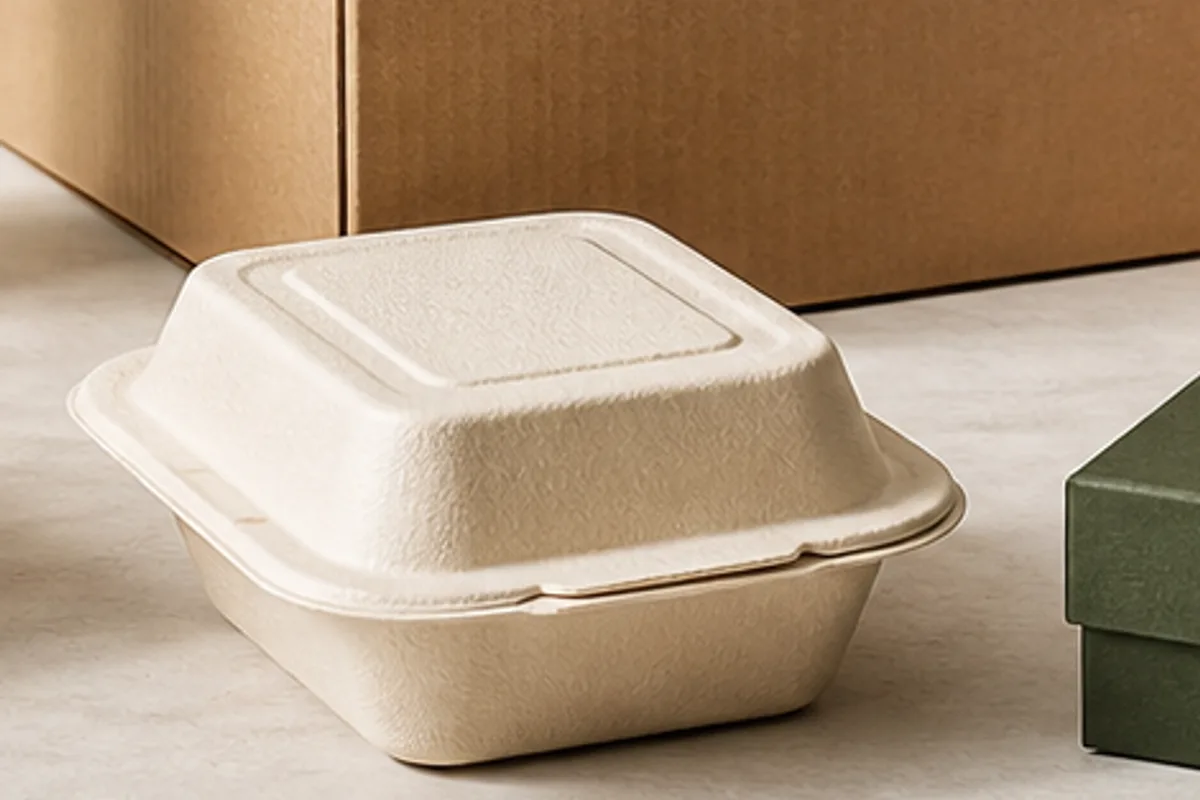
Food boxes for service and handling conditions
An educational guide to food contact, grease, heat, condensation, stacking, closure, and serving context.
What makes food boxes different
Food boxes cover a wide range of structures, from clamshells and trays to folded paperboard cartons. Their suitability depends on the actual food, temperature, serving time, and contact condition.
Material choice must account for grease, moisture, heat, condensation, ventilation, closure, stacking, and local food-contact requirements.
Food-contact context
Direct contact, indirect contact, hot use, chilled use, and oily food each need separate review.
Moisture and grease behavior
Coatings, liners, fiber treatment, and ventilation affect leaks and surface breakdown.
Stacking and service
Lid shape, base stiffness, and closure strength change handling at pickup or delivery.
Where food boxes perform best
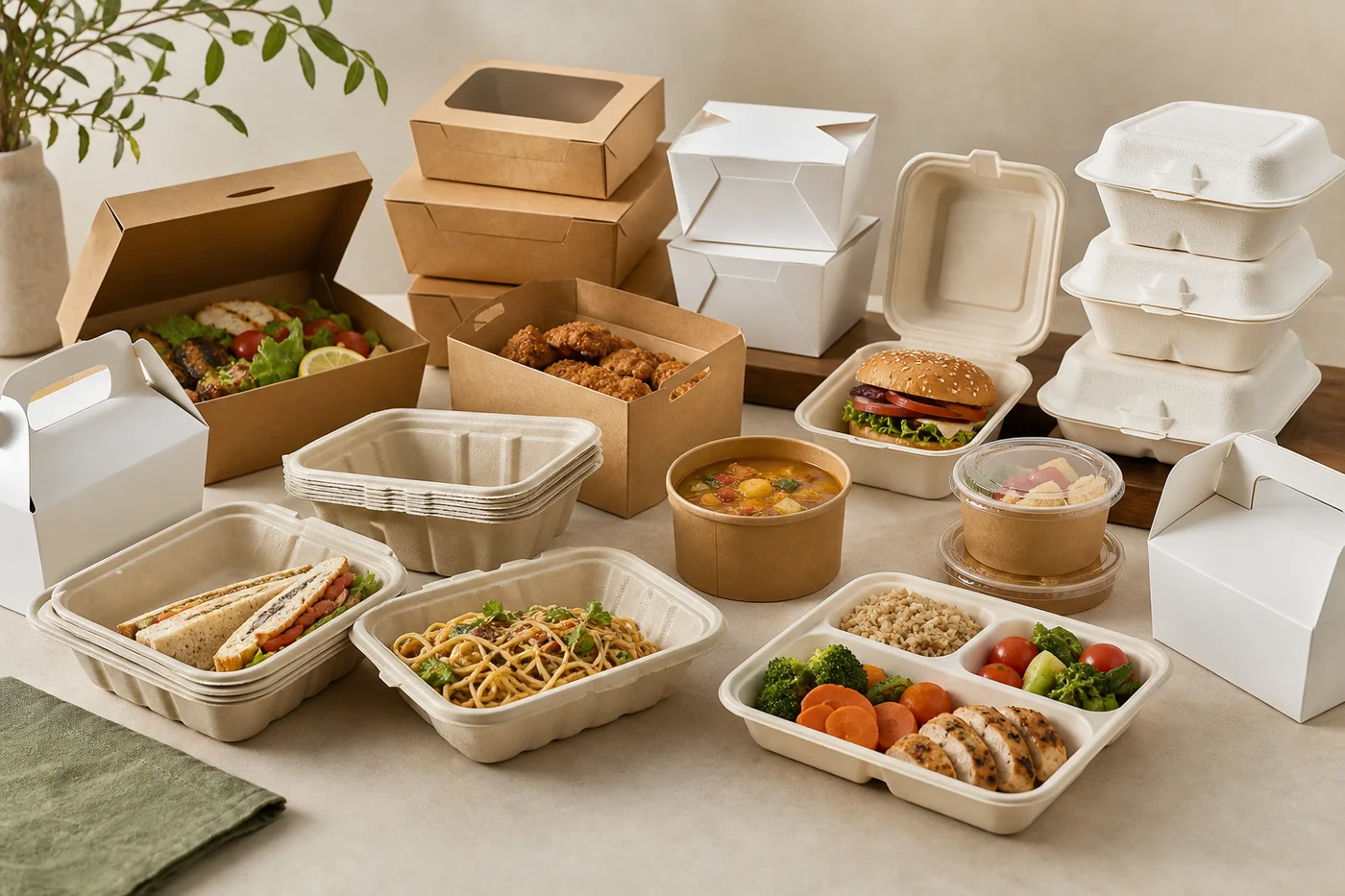
Takeaway meals
Requires closure, heat handling, moisture control, and easy customer access.
Bakery and dry foods
Works when visibility, ventilation, grease resistance, and presentation are balanced.
Catering portions
Needs stacking, handling stability, labeling space, and portion protection.
Chilled or warm delivery
Condensation, temperature, and time make material behavior more important.
How to study the right food box
Start with food condition, then check contact requirements, barrier needs, ventilation, and handling.
Define the food condition
Separate hot, chilled, oily, wet, dry, sauced, and high-aroma products.
Confirm contact suitability
Match grade, coating, ink, adhesive, and local rules to the intended contact condition.
Test leaks and condensation
Observe grease, steam, moisture, and softening over the real service time.
Check stacking and opening
Loaded boxes should stack, carry, close, and open without crushing or spilling.
Food boxes FAQs
Short educational answers for comparing structure, material, use case, and buying risk.
Can any paper box be used for food?
No. Food use depends on the specific grade, coating, ink, adhesive, and direct or indirect contact condition.
Why do some food boxes get soggy?
Moisture, steam, sauce, oil, and long holding time can soften fiber or weaken untreated board.
Are compostable food boxes always accepted?
Not always. Acceptance depends on certification, contamination, local collection, and whether industrial composting is available.
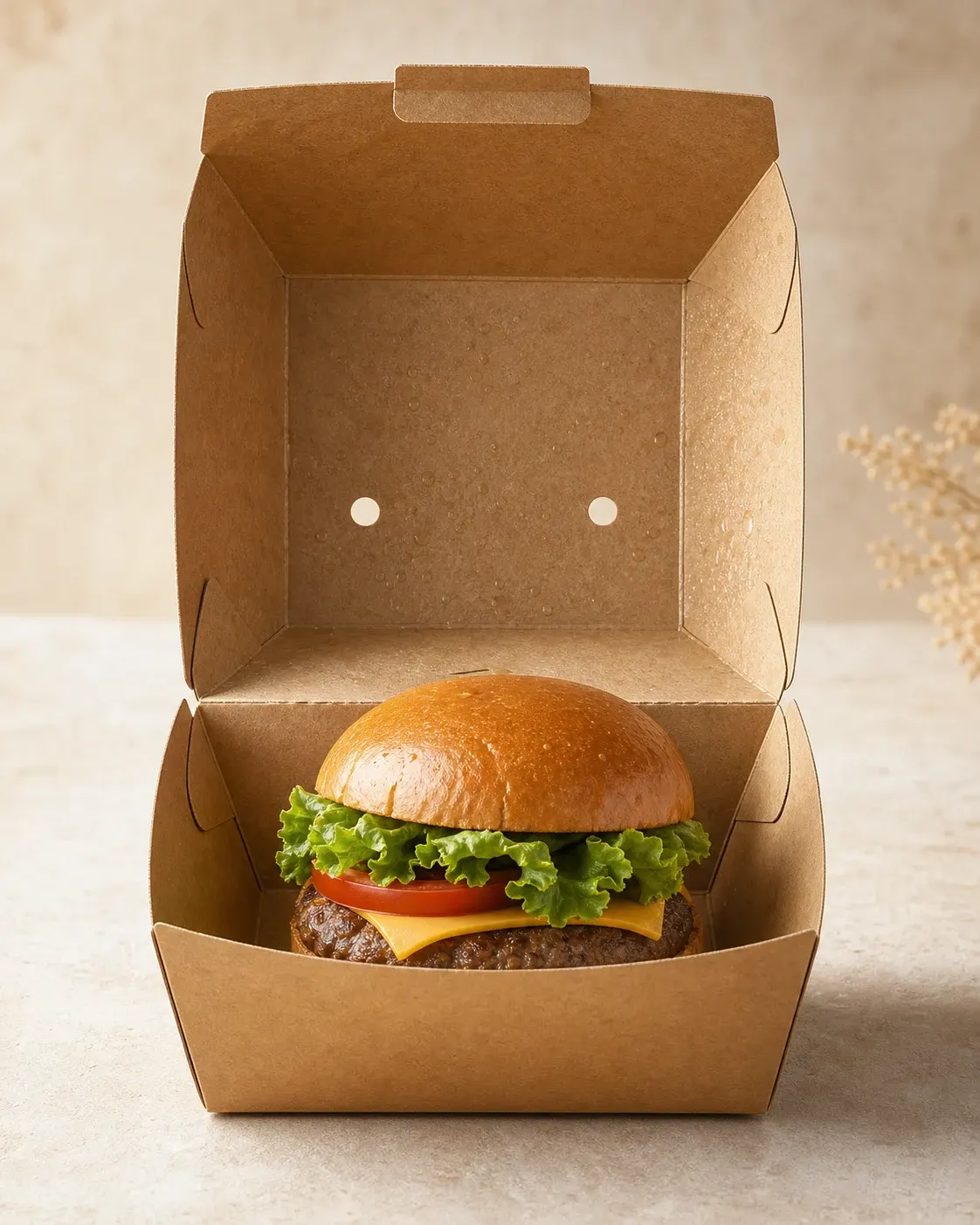
Do hot foods need ventilation?
Often yes. Ventilation can reduce condensation but may also change heat retention, aroma, and spill risk.